


When shopping for a recliner sofa, one of the first questions many buyers face is: should I go with leather or fabric? Both options have their strengths, and the choice can affect comfort, durability, style, maintenance, and even your budget. This guide takes a side-by-side look at leather vs fabric recliners, focusing on what really matters for daily living rather than just marketing claims. We'll compare comfort, build quality, space fit, convenient features, and overall value so you can see which type fits your lifestyle best. By the end, you'll have a clear understanding of which recliner works for your home in 2026.
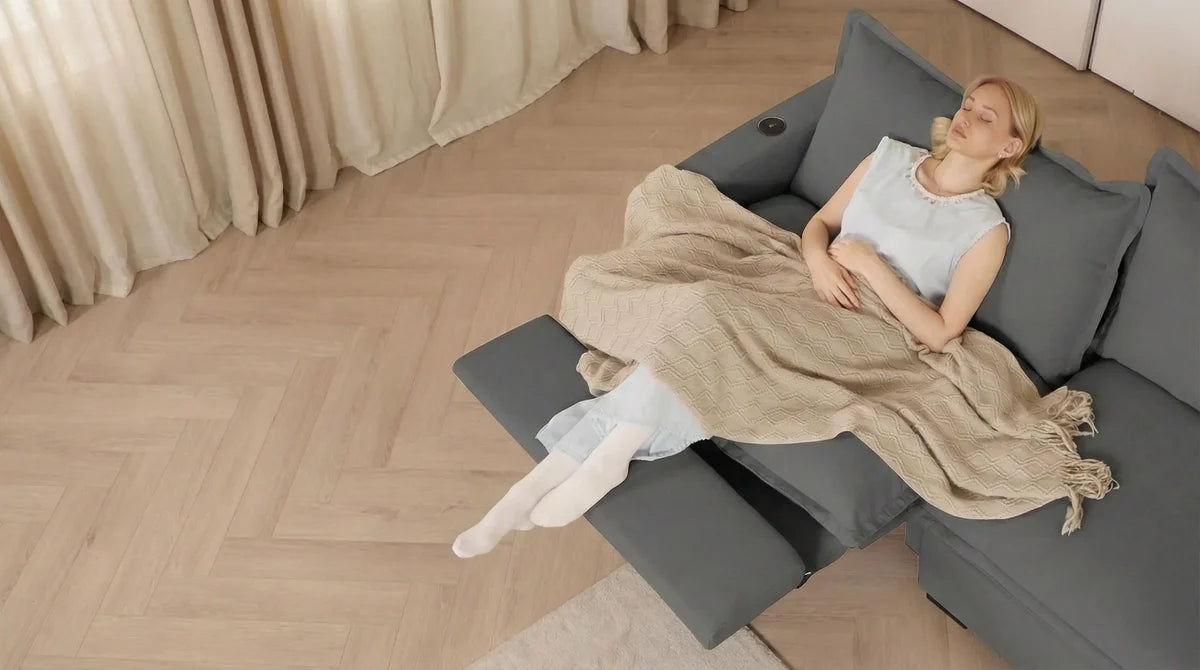
Quick Comparison Table — Leather vs Fabric Recliner Sofas
| Feature | Leather Recliners | Fabric Recliners |
|---|---|---|
| Price Range | $800-$3,500+ | $500-$2,500 |
| Key Strength | Sleek look, easy to wipe clean, long-lasting | Soft and cozy, wide color/pattern options, breathable |
| Main Trade-off | Can feel cold or sticky; higher upfront cost | Prone to stains, harder to clean, may wear faster |
| Comfort Level | Smooth and supportive, firm feel | Plush, warm, softer feel; cushions may sink over time |
| Durability Expectation | 10-15+ years with care | 7-12 years depending on fabric quality |
| Maintenance Needs | Wipe spills promptly, condition leather periodically | Vacuum regularly, treat stains quickly, occasional deep cleaning |
| Best For | Families wanting easy-clean surfaces, modern style, long-term investment | Cozy living spaces, homes with moderate use, variety in colors/patterns |
Comfort & Design — Which Feels Better Day to Day?
When it comes to daily comfort, leather and fabric recliners each bring something different to the table.
- Cushion Firmness & Support: Leather recliners tend to feel firmer and more structured, offering solid back and seat support. Fabric recliners usually feel softer and cozier, which can be great for sinking in during long lounging sessions. Seat depth and back padding can vary by brand, so it's worth testing in-store if possible.
- Temperature & Breathability: Leather can feel cooler in hot weather and slightly sticky in humid conditions, while fabric tends to be more breathable and comfortable across seasons. Fabric also absorbs body heat better in winter, making it feel warmer.
- Sitting vs Lounging Comfort: If you often sit upright while reading or working, leather's firm support may suit you better. For extended lounging or movie nights, fabric's plush softness often wins.
- Prioritize cooling and easy-clean surfaces → Leather is a good choice.
- Prioritize soft, cozy feel and year-round comfort → Fabric is ideal.
- Prioritize firm support and durability for long-term use → Leather often performs better.
Build Quality & Durability — Which Lasts Longer?
When it comes to long-term reliability, the material of your recliner makes a big difference, but it's not the only factor.
- Frame & Construction: Both leather and fabric recliners can use sturdy frames, but higher-end leather models often come with reinforced hardwood or steel frames. Fabric recliners vary more widely — mid-range options may use composite wood, while premium models also feature solid frames. A strong frame is key to preventing wobble and sag over time.
- Mechanism Compatibility: Leather recliners pair well with both manual and power mechanisms, as the firmer upholstery supports moving parts reliably. Fabric recliners also work with either, but softer fabrics may show early wear if the recliner is used heavily, especially with power motors.
- Expected Lifespan: Leather recliners: typically 10-15+ years with proper care.Fabric recliners: typically 7-12 years, depending on fabric quality and daily use.
- Wear & Tear: Leather resists spills and is relatively easy to wipe clean, but it can scratch or develop creases over time. Fabric is softer and more comfortable for lounging but may stain, fade, or absorb odors, especially in high-traffic households or around pets.
- Maintenance & Longevity: Leather requires occasional conditioning to prevent cracking, while fabric benefits from regular vacuuming and spot cleaning. Proper care can extend both types of recliners well beyond their typical lifespan.
Takeaway: If you want long-lasting durability with lower daily maintenance, leather is usually the safer bet. Fabric offers comfort and style but may need more attention to stay in top shape.
Features & Convenience — Which Fits Your Lifestyle?
When choosing between leather and fabric recliners, lifestyle and daily use play a big role in deciding which is more convenient.
- Cleaning & Stain Resistance: Leather wins for quick clean-ups — spills can often be wiped away with a damp cloth. Fabric, on the other hand, usually needs vacuuming and occasional spot cleaning, and lighter colors may show stains faster.
- Pets, Kids & Heavy Use: Leather handles pets and kids better, as claws don't easily snag and it's less likely to absorb odors. Fabric can be cozy for lounging but may wear faster under heavy daily use or with pets, especially softer weaves.
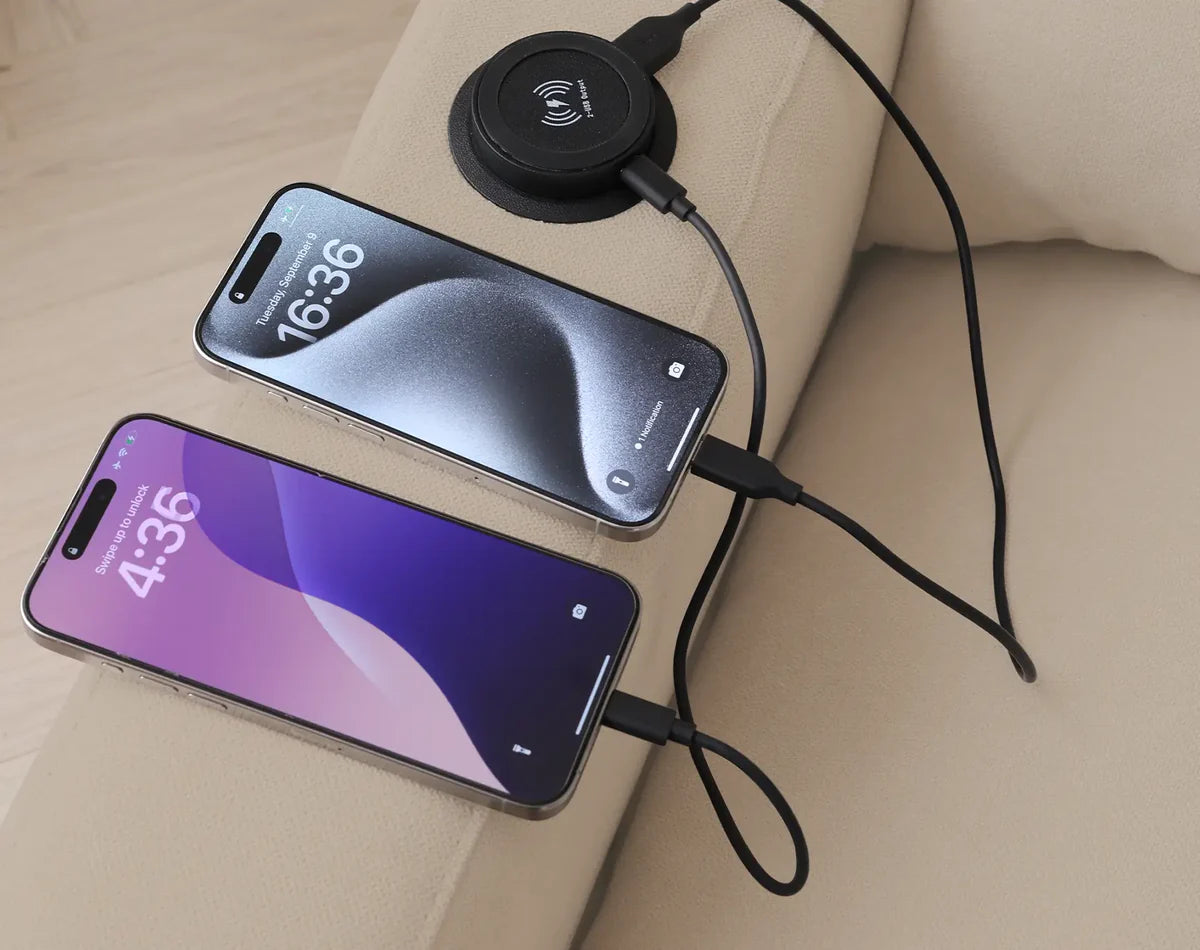
- Tech Integration & Ease of Use: Both leather and fabric recliners can support power mechanisms, USB charging, and adjustable headrests. Leather's firm surface often keeps power recline components aligned better over time, while fabric may stretch slightly with frequent use.
- Lifestyle Relevance: If you want low-maintenance, durable, and easy-to-clean, leather is ideal. If you prefer soft, cozy textures and varied design options, fabric works well — just be ready for more upkeep.
Takeaway: Think about who will use the sofa, how often, and whether convenience or comfort is your priority. Leather leans toward durability and practicality, fabric leans toward comfort and aesthetic variety.
Space & Layout Fit — Which Works Better in Your Home?
When choosing between leather and fabric recliners, consider how each will fit your space and complement your room's style:
- Footprint & Clearance: Both leather and fabric recliners come in similar sizes, but check the exact dimensions, especially if you have a small living room. Many modern recliners offer wall-hugger or zero-wall designs, which work well in tight spaces without sacrificing recline functionality.
- Visual Impact & Style: Leather tends to give a sleek, polished, and sometimes formal look, making it ideal for sophisticated living rooms. Fabric, in contrast, creates a cozy, casual vibe — perfect for family rooms or apartments where comfort and warmth are priorities.
- Small vs Large Rooms: Leather's firm surface and structured lines often suit larger spaces where its elegance can shine, while fabric recliners' softer, inviting appearance works well in both small and medium rooms, adding texture and comfort.
- Layout Compatibility: Consider wall placement and traffic flow. Leather or fabric, when paired with a modular or compact design, can fit in apartments, condos, or open-plan spaces without crowding the room.
Takeaway: Leather excels for style and a formal look in spacious areas, while fabric recliners are versatile, cozy, and more forgiving in smaller or high-traffic rooms. Always measure your space and test placement before deciding.
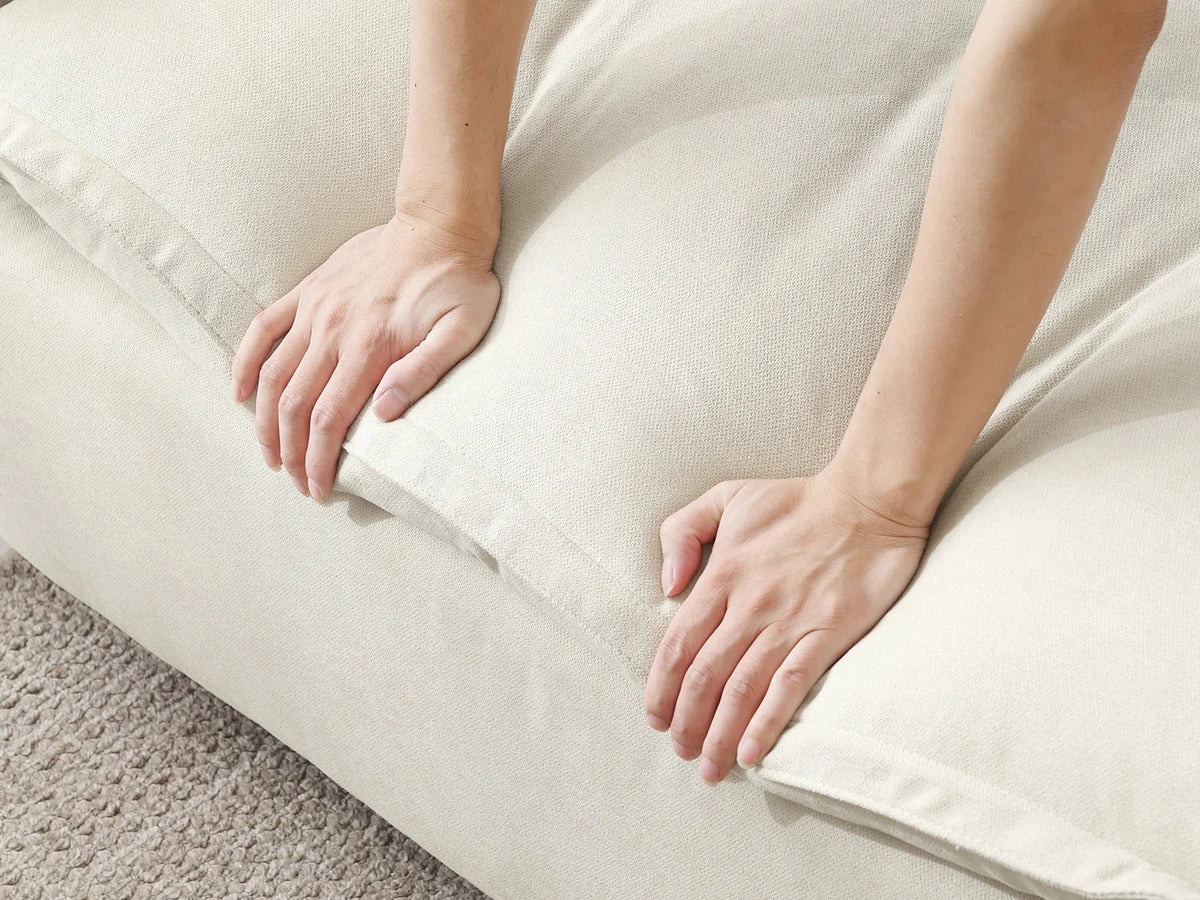
Price & Value — Which Is the Better Deal?
When deciding between leather and fabric recliners, price and long-term value are key factors:
-
Price Range Comparison:
Leather recliners generally start higher, often ranging from $1,200-$3,000+ depending on quality and features. Fabric recliners usually sit lower, roughly $500-$2,000, making them more accessible for budget-conscious buyers.
-
Cost vs Durability & Comfort:
Leather tends to be more durable over time if cared for properly — it resists spills and lasts for many years. However, it can feel less breathable in hot climates. Fabric is often softer and cozier, with a wider range of textures, but some materials may wear faster or stain more easily.
-
Warranty & Support:
Many brands provide similar warranties for frames and mechanisms regardless of upholstery. Leather models may have slightly longer coverage for premium lines, while fabric recliners often include stain-resistant options backed by warranty.
-
Value Logic:
If you prioritize low maintenance and long-term durability , leather can offer a better ROI despite the higher upfront cost.
If you value cozy comfort,color options, and a lower initial price, fabric may give you the most satisfaction per dollar spent.
Takeaway: Your “best deal” depends on your lifestyle, climate, and priorities. Leather excels in longevity and elegance, while fabric offers versatility, comfort, and affordability. Consider both upfront cost and long-term use to make a confident choice.
Final Decision & Product Recommendations
Choosing between leather and fabric recliner sofas ultimately comes down to your lifestyle, comfort preferences, and long-term priorities. Here's a quick guide to help you decide:
Choose a Leather Recliner if you:- Value durability, easy cleaning, and a timeless, classic look.
- Plan to place it in a family room or high-traffic area with moderate to heavy daily use.
- Are okay with a higher upfront investment and a slightly less breathable seating experience.
- Prefer a soft, cozy feel and want a wide variety of colors, textures, or patterns.
- Need a sofa for smaller apartments, casual lounging, or homes with allergy sensitivities.
- Accept that fabric may require more maintenance and occasional stain care.
Magic Home Efficient Modern Loveseats (2-Seater) — Beige Linen Sofa
BLOG-ONLY: Get 10% OFFThe Magic Home Efficient Modern Loveseats (2-Seater) is a stylish, comfortable sofa designed for everyday living spaces like living rooms, small apartments, or family lounges. It features a modern linen-style upholstery that's breathable, easy to blend with a variety of décor styles, and practical for daily use.
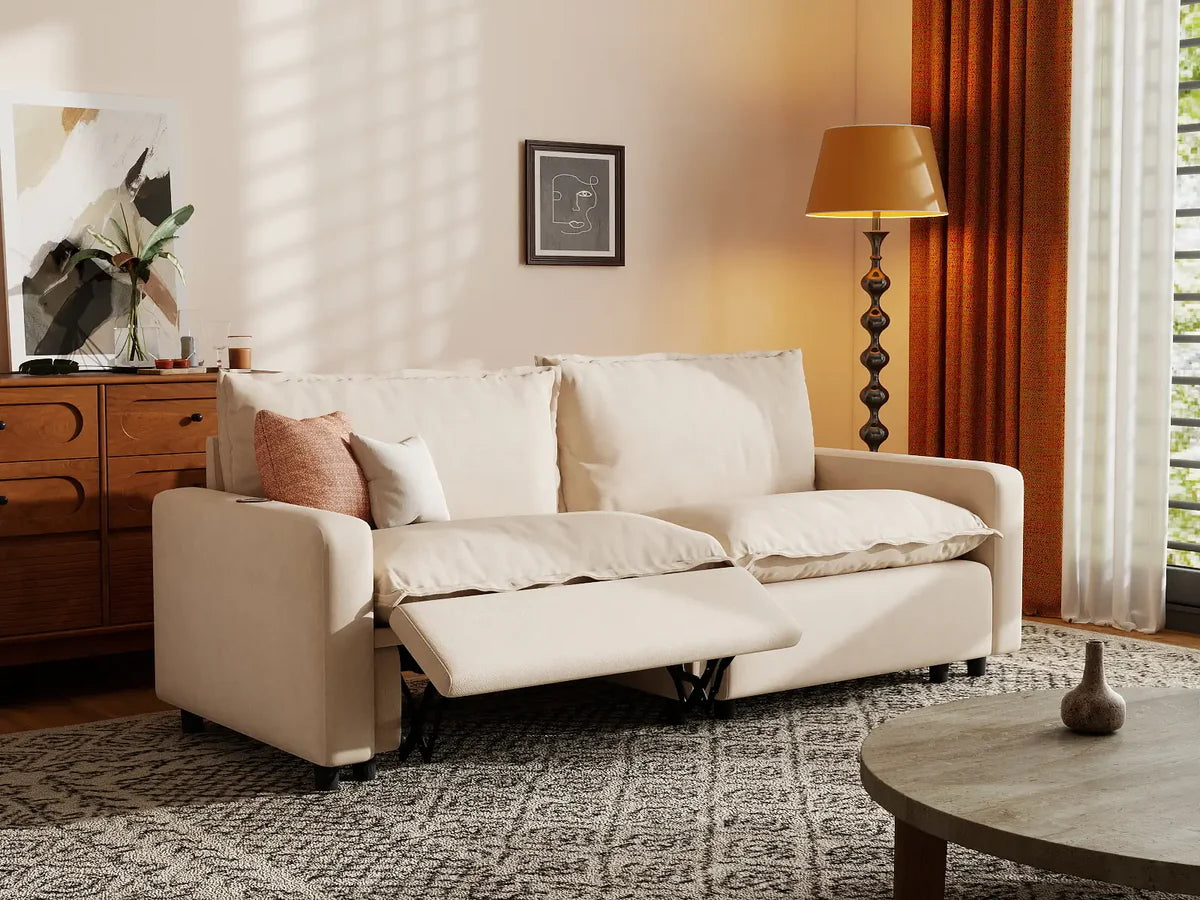 Key Highlights:
- Modern design: Clean, contemporary lines and a neutral beige color make it easy to match with different interior themes.
- Comfortable seating: Thick, high-resilience foam cushions help provide a supportive yet cozy sitting experience.
- Durable materials: Upholstered in soft linen fabric that's both breathable and easy to care for, with a sturdy wood frame underneath.
- Easy assembly: Designed for straightforward setup, often manageable by one person.
- Price: $914
- Couples or small households who want a comfortable 2-seat sofa that doesn't overwhelm a room.
- Homes with modern or minimalist décor where neutral tones and simple silhouettes fit best.
- Everyday lounging and relaxing, from TV watching to casual reading.
Pro Tip: No matter which option you choose, pick reputable brands like Magic Home, La-Z-Boy, or Flexsteel to ensure quality construction, reliable mechanisms, and a warranty that protects your investment.
Conclusion
Leather and fabric recliner sofas each bring their own strengths to the table. Leather stands out for durability, easy cleaning, and a more polished look, while fabric offers a softer feel, better breathability, and more flexibility in color and style. Neither option is automatically “better” — the right choice depends on how you use your space, who will be using the sofa, and what kind of comfort matters most to you.
Before deciding, it's worth reviewing product specs closely and thinking about your room layout, maintenance expectations, and long-term comfort needs. Exploring recliners from trusted brands like Magic Home, along with other well-reviewed manufacturers, can help you find a sofa that delivers lasting comfort and real value for your home.


