


How to Choose the Best Zero Gravity Recliner for Your Living Room

Zero gravity recliners have become one of the most popular upgrades for modern living rooms. By placing the body in a position where the legs are elevated and pressure on the spine is reduced, these chairs can significantly improve relaxation and support during long sitting sessions.
However, not every recliner labeled "zero gravity" delivers the same comfort or ergonomic benefits. Differences in recline angle, seat depth, cushioning, and construction can dramatically affect how the chair feels in everyday use.
If you're trying to choose the best zero gravity recliner for your living room, this guide breaks down the key factors to evaluate before buying.
What Defines a True Zero Gravity Recliner?
A zero gravity recliner is designed to position the body in a posture where weight is distributed more evenly across the chair. The concept originates from NASA research on the neutral body posture, which minimizes pressure on the spine and joints.
In a true zero gravity position:- The backrest reclines significantly
- The legs are elevated near heart level
- Body weight spreads across a larger surface area
- Pressure on the lower back and hips is reduced
This posture helps relieve spinal compression and allows muscles to relax more fully compared with sitting upright.
However, achieving these benefits depends heavily on the chair's geometry and ergonomic design.
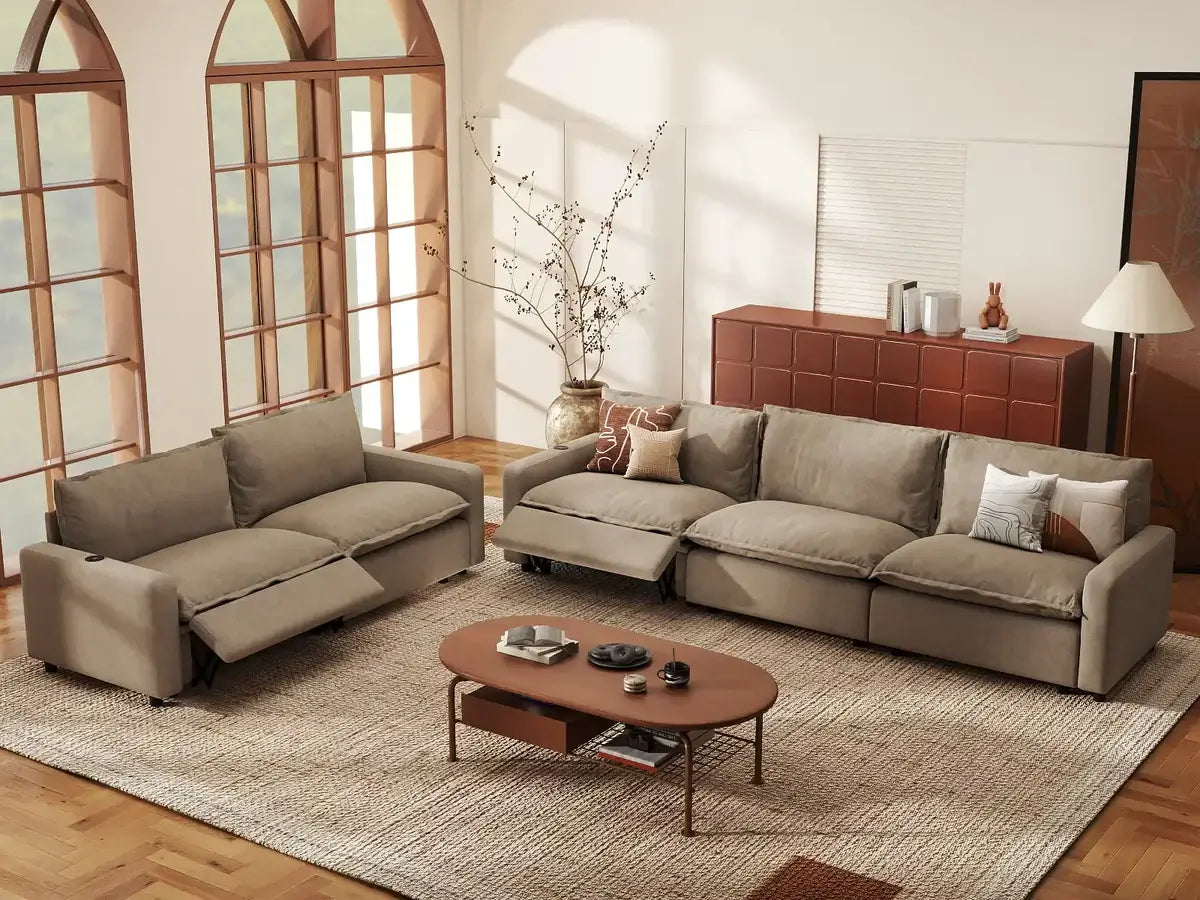
How Do I Choose the Best Zero Gravity Recliner for My Living Room?
1. Confirm the Recline Geometry (The Most Important Factor)
The most important feature of a zero gravity recliner is its recline geometry.
A properly designed recliner typically reaches a recline angle of around 120°-128° between the seat and backrest. At this angle, body weight spreads more evenly and pressure on the lower back is reduced.
Equally important is the footrest height. A true zero gravity position raises the legs so the knees are near or slightly above heart level. This elevation can help reduce strain on the lower body and create a more relaxed sitting posture.
When comparing recliners, look for product specifications that confirm:
- recline angle reaches at least 120°
- the footrest lifts the legs significantly above the seat
- the chair supports full-body alignment in the reclined position
Many recliners use the "zero gravity" label in marketing, but not all achieve the proper geometry.
2. Make Sure the Recliner Fits Your Living Room
Zero gravity recliners extend significantly when fully reclined, which means they require more planning than standard chairs.
Start by measuring three things.
Available width
Ensure the chair fits comfortably within the seating area without blocking pathways or nearby furniture.
Full reclined depth
Check the maximum reclined length listed in the product specifications.
Clearance space
Most recliners require 24-36 inches of clearance in front so the footrest can extend freely.
For smaller living rooms or apartments, a wall-hugger recliner can be a practical alternative. These models slide forward slightly when reclining, allowing them to function with less space behind the chair.
3. Choose a Recliner That Fits Your Body
Even a well-designed recliner will feel uncomfortable if it doesn't match your body proportions. Pay attention to three measurements.
Seat Depth
Seat depth determines how well the chair supports your thighs and lower back.
Typical recommendations:
- 19-21 inches - best for users under 5'6"
- 21-23 inches - suitable for most adults
- 23-25 inches - ideal for taller users
If the seat is too deep, your lower back may lose contact with the backrest. If it is too shallow, pressure can build under the thighs.
Back Height
Taller users should choose recliners with a higher backrest to ensure proper neck and head support.
Low-back chairs often feel comfortable initially but may cause neck fatigue during longer sitting sessions.
Seat Height
Most adults find a seat height of 18-20 inches easiest for sitting down and standing up.
4. Evaluate Cushion Quality and Ergonomic Support
Comfort in a zero gravity recliner depends heavily on the internal cushioning system.
Look for models that include:
- High-density foam that resists sagging
- Memory foam layers for pressure relief
- Integrated lumbar support to maintain spinal alignment
- Chaise-style footrests that support the entire leg
Lower-quality recliners often use thin foam that compresses quickly, reducing support after only a year or two of regular use.
A well-designed cushioning system should distribute body weight evenly when the chair is reclined.
5. Select the Right Upholstery for Your Lifestyle
The upholstery material affects both comfort and durability.
Leather- durable and long-lasting
- easy to wipe clean
- premium appearance
- breathable and comfortable
- stain-resistant
- ideal for homes with pets or children
- soft texture
- resistant to everyday wear
- easy maintenance
For most family living rooms, performance fabrics provide the best balance between comfort, durability, and maintenance.
6. Decide Between Manual and Power Reclining
Choosing between manual and power zero gravity recliners depends on how and where you plan to use the chair:
- Small or simple living spaces - If you want a straightforward chair without worrying about outlets or cords, or if you rarely adjust the recline, a manual recliner is practical, budget-friendly, and easy to maintain.
- Frequent adjustment or precise positioning - If you plan to fine-tune your zero gravity angle multiple times a day, or want the option to adjust the headrest and lumbar support effortlessly, a power recliner is more convenient.
- Users with mobility limitations or older adults - Power models make reclining and returning upright much easier, reducing strain on knees, hips, and back.
- Tech-friendly spaces - Power recliners often include USB ports or built-in features, which can be a bonus if you like charging devices while relaxing.
In short, pick manual for simplicity and cost savings, and power if convenience, precision, or added features matter most in your daily routine.
7. Balance Quality and Budget
Prices for zero gravity recliners vary widely depending on materials, construction, and features.
Typical price ranges:
- Basic manual recliners: $300-$700
- Mid-range power recliners: $700-$1,500
- Premium models with massage and heat: $1,500+
Instead of choosing the cheapest option, look for a model that offers solid frame construction, quality cushioning, and a reliable reclining mechanism. A well-built recliner can last many years of daily use.
Common Mistakes When Buying a Zero Gravity Recliner
Many buyers focus on style, price, or extra features when shopping for a zero gravity recliner. However, overlooking key details can lead to a chair that feels uncomfortable or doesn't fit well in the living room.
Understanding the most common mistakes can help you choose a recliner that provides long-term comfort and reliable performance.
1. Not Measuring the Full Reclined Footprint
One of the most common mistakes is measuring only the upright size of the chair.
A zero gravity recliner changes shape significantly when fully reclined. The footrest extends forward and the backrest tilts backward, which increases the total space the chair occupies.
If you don't measure the full reclined footprint, the chair may:
- block walkways
- hit nearby furniture
- fail to recline completely
Before buying, check the maximum reclined length listed in the product specifications and ensure your living room has enough clearance.
A practical guideline is to leave 24-36 inches of open space in front of the chair for the footrest to extend comfortably.
2. Ignoring Seat Dimensions and Body Fit
A recliner may look comfortable in photos but still feel awkward if the seat dimensions don't match your body.
Many buyers overlook three key measurements:
- seat depth
- seat height
- backrest height
For example, a seat that is too deep can push your lower back away from the backrest, while a seat that is too shallow may place pressure on the thighs.
Similarly, taller users often need a higher backrest to support the head and neck when reclining.
Before purchasing online, compare the product specifications with your own measurements to ensure the chair provides proper support.
3. Choosing Features Over Comfort and Construction
Modern zero gravity recliners often advertise extra features such as massage functions, LED lighting, Bluetooth speakers, or cup holders.
While these additions can improve the experience, they should never replace the fundamentals of good design.
The most important elements of a recliner are:
- sturdy frame construction
- durable cushioning
- proper recline geometry
- ergonomic back support
A chair with solid construction and good cushioning will remain comfortable for years, while a feature-heavy recliner with poor support may become uncomfortable quickly.
When comparing models, prioritize comfort and build quality first, and treat extra features as optional upgrades.
4. Assuming All "Zero Gravity" Recliners Are the Same
The term "zero gravity" is often used broadly in furniture marketing, but not every recliner achieves the same body position.
Some models labeled as zero gravity only recline slightly or raise the footrest minimally. These chairs may feel similar to standard recliners rather than providing the full zero gravity posture.
A true zero gravity recliner should typically:
- recline to about 120°-128°
- elevate the legs close to heart level
- distribute body weight evenly across the seat and backrest
When shopping, review the product specifications carefully to ensure the chair actually delivers the intended ergonomic position.
5. Forgetting About Room Layout and Power Access
Another common oversight occurs when buyers choose a power recliner without considering where it will be placed in the room.
Power recliners require access to an electrical outlet. If the chair is placed far from a wall outlet, extension cords may become necessary, which can create both safety and aesthetic issues.
Before purchasing a power model, plan where the recliner will sit and confirm that a nearby outlet is available.
Quick Tip
If you're unsure whether a recliner will fit your space, try marking the chair's dimensions on the floor with painter's tape. This simple trick helps visualize how the recliner will look and function in your living room.
Zero Gravity Recliner Buying Checklist
Before purchasing a zero gravity recliner, confirm the following:
- recline angle reaches 120° or more
- footrest elevates the legs significantly
- seat depth fits your body height
- the reclined position fits your room layout
- cushioning uses durable high-density foam
- frame construction is reinforced wood or steel
- upholstery suits your household needs
Following this checklist helps ensure the recliner provides both comfort and durability.
Conclusion
Choosing the right zero gravity recliner for your living room comes down to a clear set of priorities: verified recline angle and leg elevation, a size that fits your body and your space, a recline mechanism that suits your lifestyle, and construction quality that will hold up to years of daily use. Features like heat, massage, and power adjustment can meaningfully enhance the experience - but only if the fundamentals are right first.
Take the time to measure your room, check the specifications against your body, and read long-term reviews before committing. The right zero gravity reclining chair is one you'll still look forward to sitting in five years from now - not one you're shopping to replace.
If you're looking for a reliable starting point, Magic Home is a brand worth exploring. Known for comfortable, thoughtfully designed zero gravity recliners that balance ergonomic function with clean, modern aesthetics, Magic Home offers options well-suited to contemporary living rooms. Their chairs are built with everyday comfort in mind, making them a strong consideration for anyone ready to upgrade their home seating.