


Introduction — Why Sofa and Recliner Trends Matter in 2026
Sofas and recliners have become the centerpiece of modern living rooms, shaping both comfort and interior style. Today's homeowners look for furniture that goes beyond basic seating. They want pieces that combine attractive design, ergonomic support, and smart features that improve everyday living. As lifestyles continue to evolve—with more people working from home, spending time on entertainment, and designing open living spaces—seating furniture must adapt to new needs. Comfort, flexibility, and technology now play a bigger role than ever. In this guide, you will discover the key sofa and recliner trends in 2026, including popular materials, trending colors, smart technology, and innovative comfort designs that are shaping the future of living room furniture.
The Biggest Sofa Design Trends in 2026
Curved and Organic Sofa Shapes
One of the most noticeable sofa design trends in 2026 is the shift from rigid, boxy furniture toward softer and more organic shapes. Curved sofas and rounded edges create a natural flow in the living room, making the space feel more welcoming and relaxed. These sculptural silhouettes often act as statement pieces that blend comfort with artistic design. Curved seating also encourages conversation by bringing people closer together compared with traditional straight sofas. Because of their elegant appearance, curved sofas are especially popular in modern apartments, luxury interiors, and open-concept living rooms. Interior design reports frequently highlight this movement toward organic and fluid furniture shapes as homeowners seek more visually balanced and calming living environments.
Modular and Flexible Seating
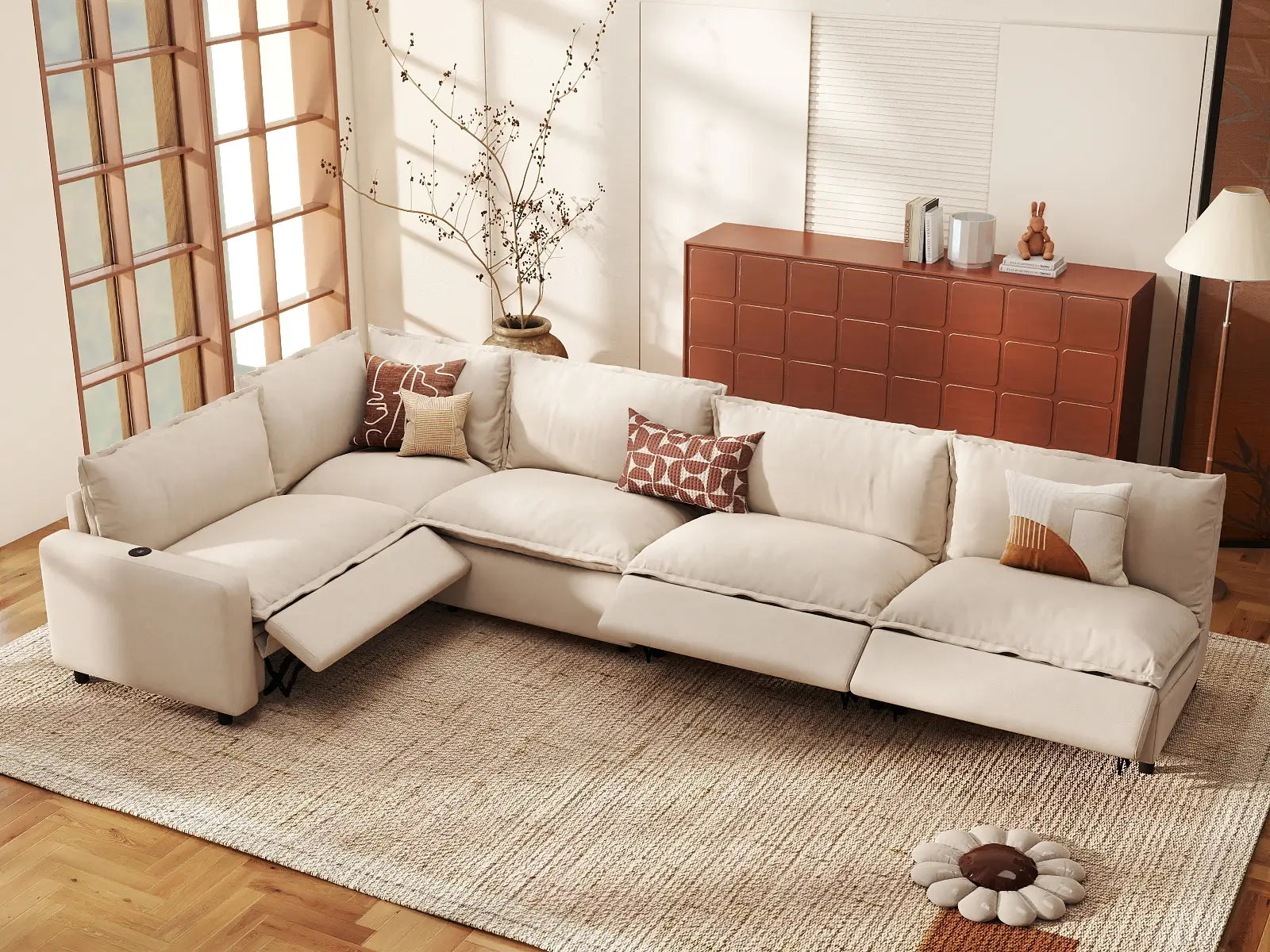
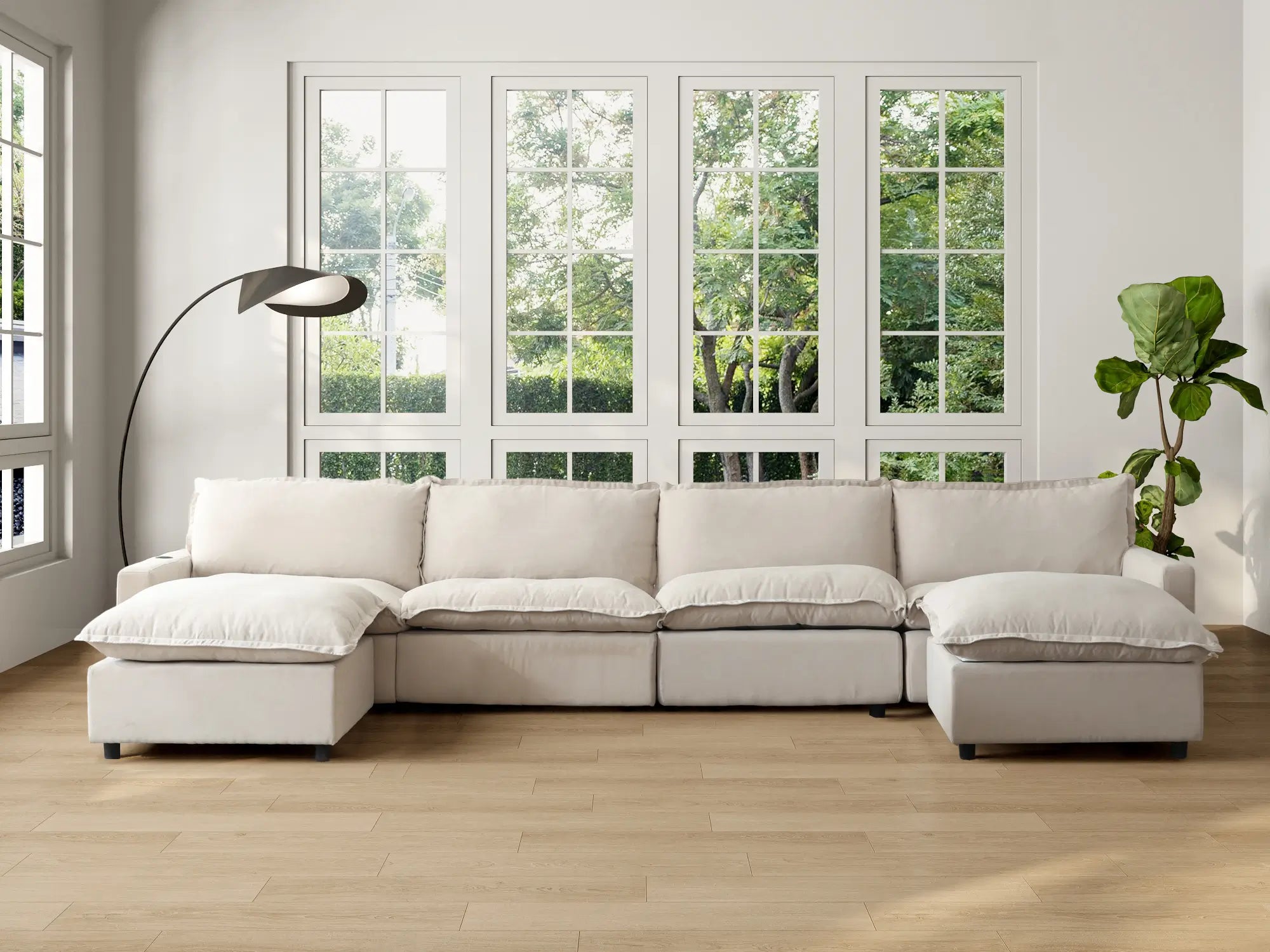
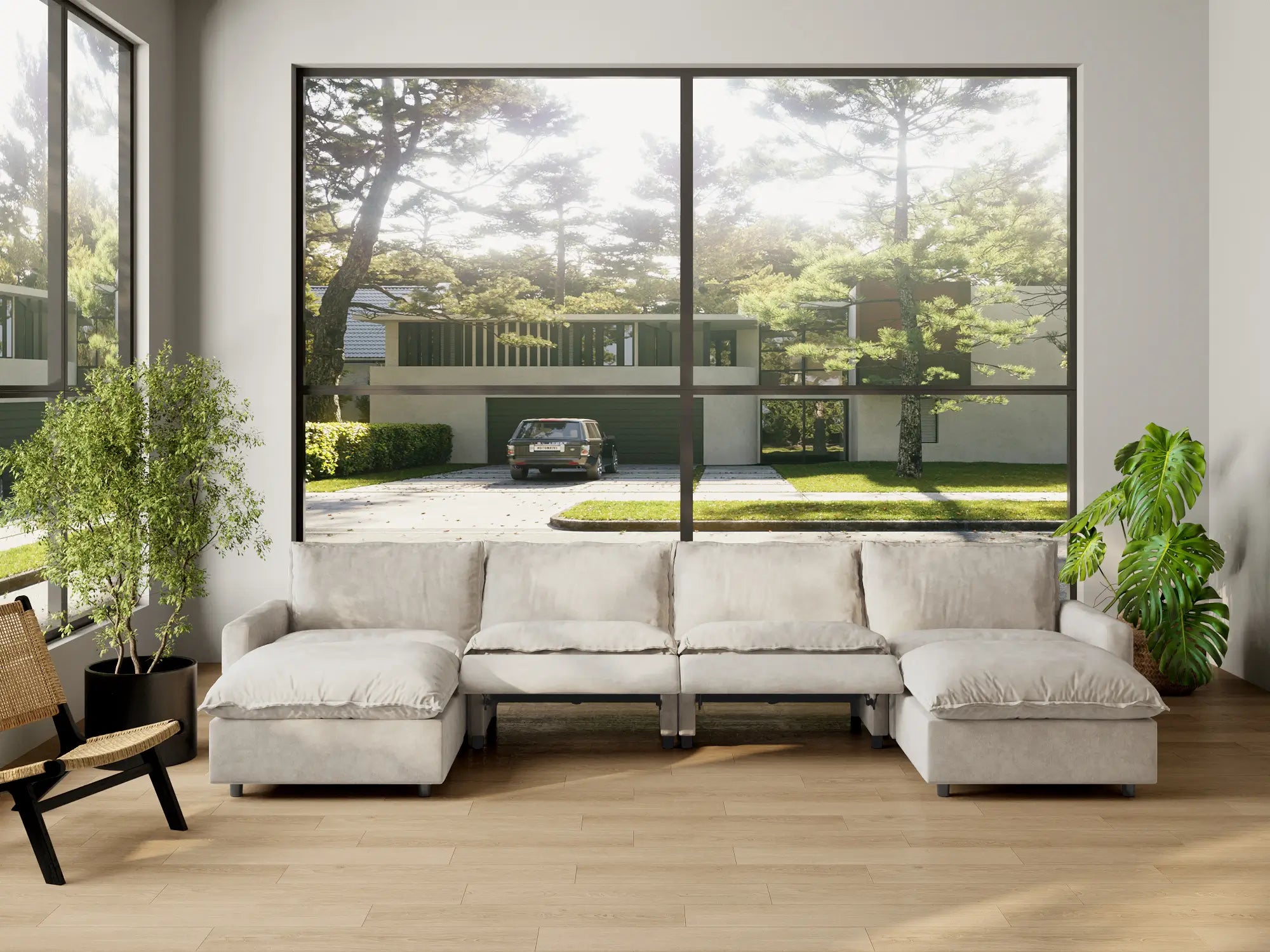
Modular sofas continue to dominate the furniture market because of their flexibility and adaptability. Instead of a fixed layout, modular seating systems allow users to rearrange sections based on their room size or lifestyle needs. This design works especially well for apartments, family homes, and open-plan living spaces where furniture often needs to serve multiple purposes. Homeowners can easily change the arrangement to create a traditional sofa, a sectional, or a lounge-style seating area. U-shaped sofas, sectional designs, and movable chaise lounges are among the most popular modular configurations. Many furniture brands now prioritize modular systems because they offer long-term practicality and adapt easily when people move or redesign their living spaces.
Deep-Seat Lounge Comfort
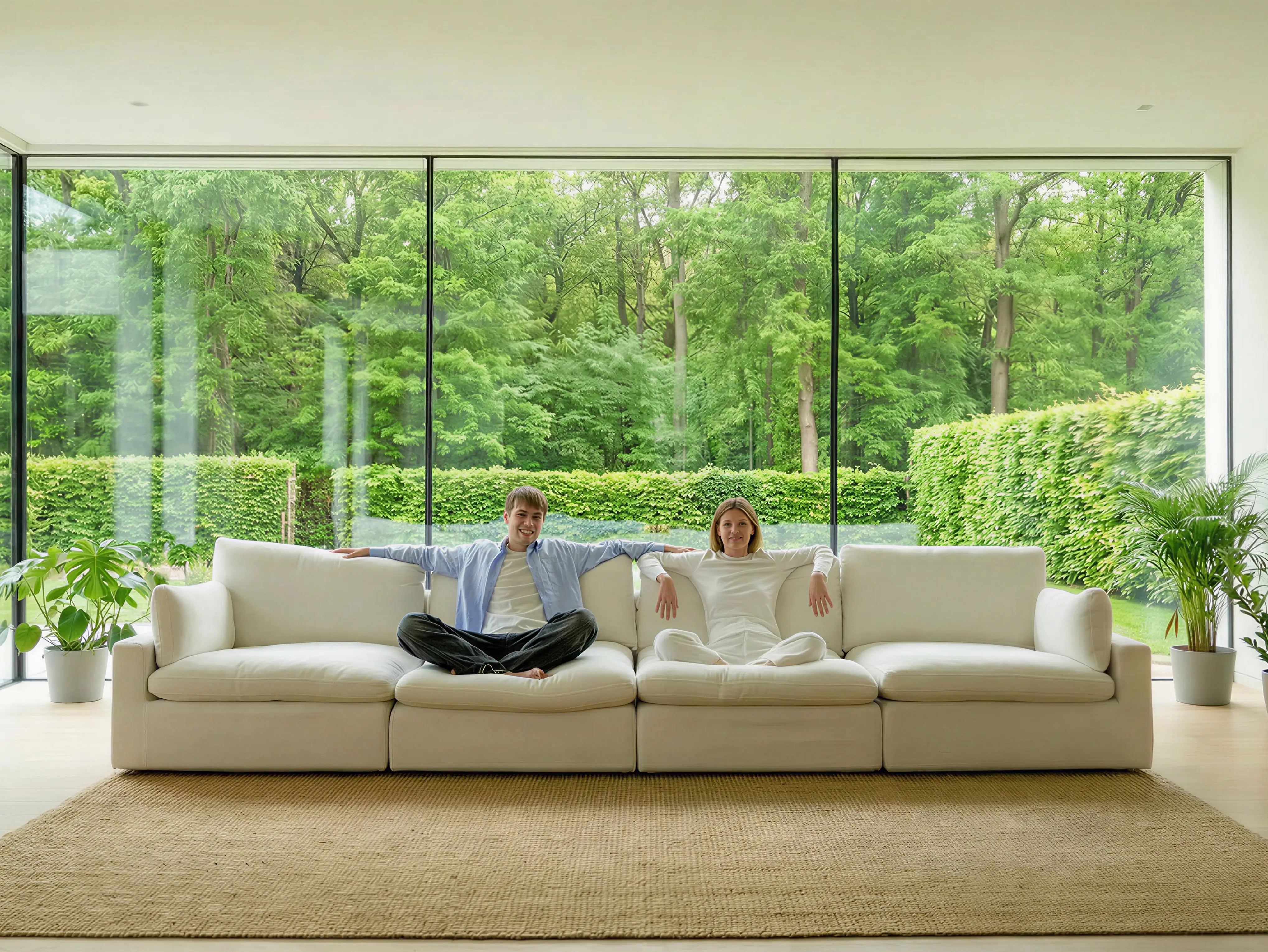
Comfort-focused seating has become a major priority in 2026, leading to the rise of deep-seat lounge sofas. These designs feature extra-deep cushions, wider seats, and supportive backrests that encourage full relaxation. Deep seating allows people to stretch out comfortably, making it perfect for watching movies, reading, or spending time with family. Oversized cushions and plush upholstery create a cozy atmosphere that feels almost like a lounge or entertainment space. This style has become particularly popular in large living rooms and family areas where comfort is more important than formal appearance. As more homes emphasize relaxation and casual socializing, lounge-style sofas continue to grow in popularity.
Recliner Trends in 2026
Power Recliners with Smart Features
Technology continues to reshape modern furniture, and power recliners are becoming smarter and more convenient in 2026. Instead of simple manual levers, many recliners now use electric mechanisms that allow users to adjust the backrest and footrest with the push of a button. These designs focus on comfort, personalization, and everyday convenience.
Many modern power recliners include integrated technology such as USB charging ports and wireless charging pads, allowing users to keep phones or tablets powered while relaxing. Adjustable headrests and lumbar support help improve ergonomics by allowing users to find the most comfortable position for their body. Some advanced models even feature heated seats and vibration massage systems, turning a simple recliner into a full relaxation experience.
Smart furniture trends show that technology is increasingly integrated directly into the design rather than added as separate devices. This allows recliners to remain stylish while offering modern functionality that fits today's digital lifestyle.
Reclining Sectionals for Family Living
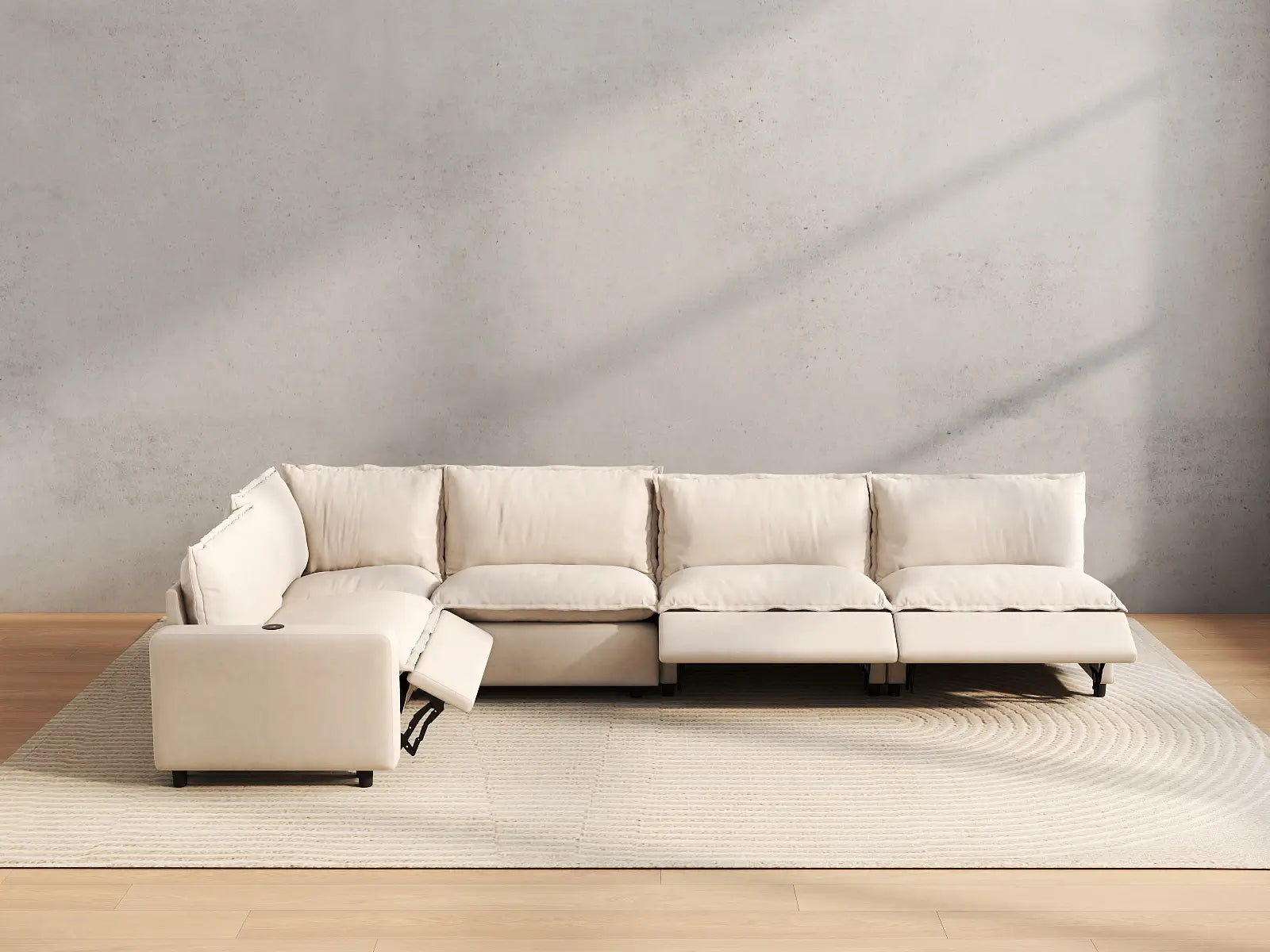
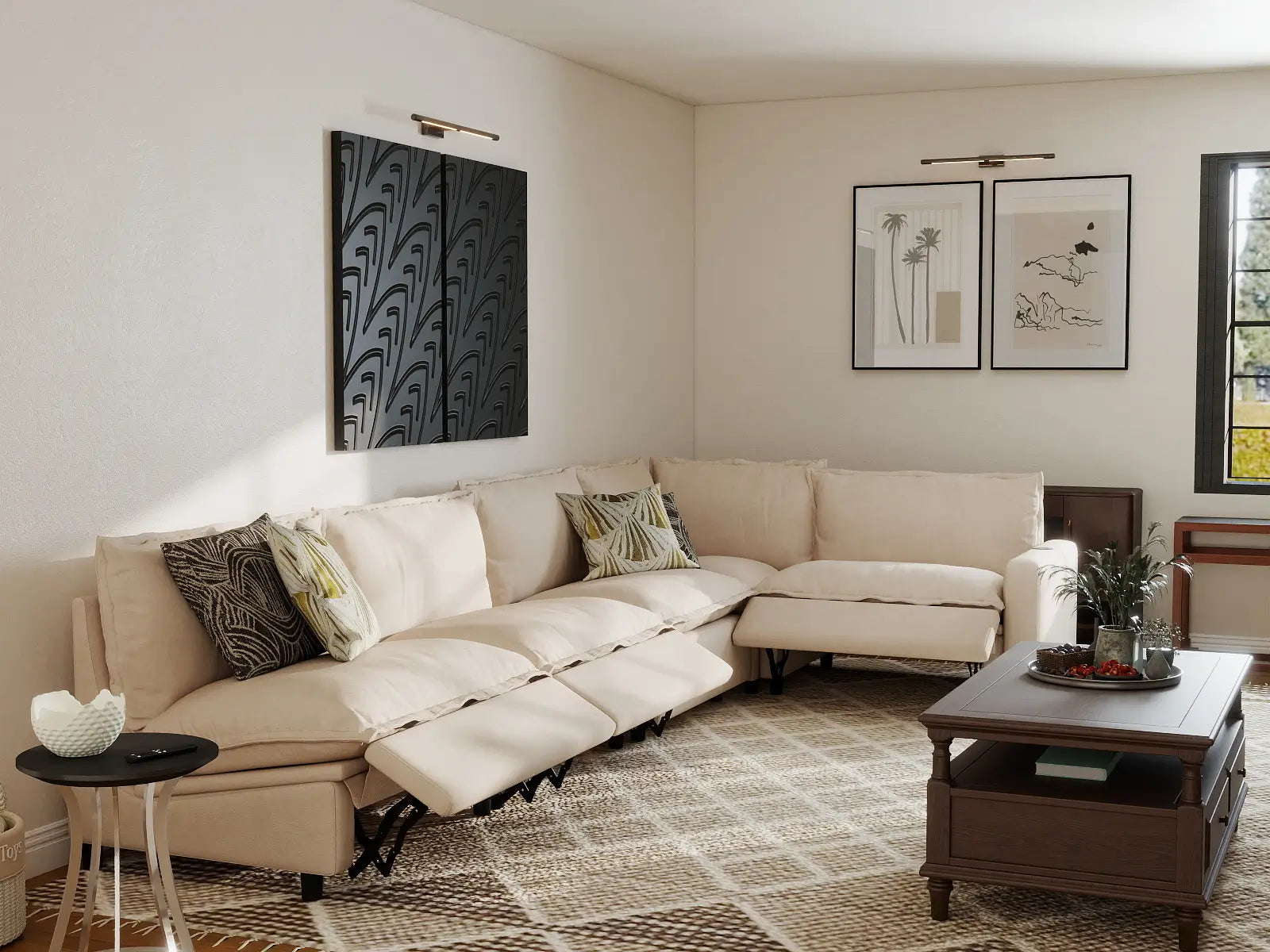
Reclining sectionals are becoming one of the most popular seating choices for modern family living rooms. These designs combine the spacious seating of a sectional sofa with the comfort of built-in recliners. As a result, multiple people can relax at the same time while still enjoying the flexibility of a large sofa layout.
This type of seating is especially common in home theaters, entertainment rooms, and large family spaces where comfort and social interaction are important. Many reclining sectionals include practical features such as center consoles, cup holders, hidden storage compartments, and power controls for each seat. These additions make the sofa more functional for movie nights, gaming, or long periods of relaxation.
Because they provide both comfort and seating capacity, reclining sectionals continue to grow in popularity among families who want a practical yet comfortable living room setup.
Wall-Hugger Recliners for Small Spaces
As urban living spaces become smaller, furniture designers are focusing on space-saving recliner solutions. Wall-hugger recliners are designed to recline while sitting much closer to the wall than traditional recliners. Instead of moving backward when reclining, the chair slides forward slightly, allowing it to function well even in compact rooms.
This design makes wall-hugger recliners ideal for apartments, condos, and smaller living rooms where space is limited. Homeowners can enjoy the comfort of a reclining chair without needing a large clearance area behind the seat.
In addition to saving space, many modern wall-hugger recliners also include slim frames, lighter materials, and compact proportions. These features allow them to blend easily into modern interiors while still offering the relaxation benefits of a full recliner.
Popular Sofa Colors in 2026
Nature-Inspired Colors
Nature continues to influence interior design in 2026. Many homeowners now prefer colors that feel calm, warm, and connected to the outdoors. Sofas in natural tones help create a relaxing living room that feels comfortable and welcoming.
Popular shades include olive green, clay, terracotta, sand, taupe, and deep forest green. These colors reflect elements found in nature such as soil, trees, and stone. Because of this, they bring a peaceful and grounded feeling to modern homes. Interior design reports from sources like Ideal Home show that natural tones work well with wood furniture, soft fabrics, and warm lighting.
Another advantage of nature-inspired colors is flexibility. They blend easily with many decorating styles, from modern minimalism to cozy farmhouse interiors. This makes them a safe but stylish choice for many living rooms.
Warm Neutrals Replace Cool Grey
For many years, grey sofas dominated modern living rooms. However, design trends in 2026 show a clear shift toward warmer neutral tones. Instead of cool grey, many homeowners now choose beige, cream, soft brown, or warm taupe.
These colors create a softer and more inviting atmosphere. Warm neutrals also reflect natural light better, which helps living rooms feel brighter and more comfortable. According to interior trend reports, grey furniture is slowly losing popularity as people look for warmer and more natural interior palettes.
Another benefit of warm neutral sofas is versatility. They pair easily with many colors, including wood tones, soft pastels, and natural materials. This makes them a practical choice for long-term home design.
Rich Statement Colors
While neutral tones remain popular, bold statement colors are also gaining attention in modern interiors. Deep and rich shades help add personality and visual depth to a living room without overwhelming the space.
Popular statement colors in 2026 include chocolate brown, deep navy blue, rust, and plum. These colors create a strong focal point while still feeling elegant and balanced. Design platforms like The Nordroom highlight that darker tones can make furniture look more luxurious and sophisticated.
Many homeowners use statement-colored sofas to contrast with light walls or neutral décor. When paired with simple accessories and natural materials, these colors create a stylish and modern living space that feels both bold and comfortable.
Trending Sofa Materials and Fabrics
Bouclé and Textured Upholstery
In 2026, texture plays a big role in sofa design. Many homeowners want furniture that not only looks good but also feels comfortable. One fabric that continues to grow in popularity is bouclé. Bouclé has a soft, looped texture that feels warm and cozy, making it perfect for relaxing living rooms.
Bouclé also works especially well with curved and organic sofa shapes. The soft texture highlights the smooth lines of modern furniture designs. Because of its unique appearance, bouclé sofas often become the visual centerpiece of a room. Designers also like this fabric because it adds depth and character without using strong colors.
Natural Fabrics
Natural materials remain a major trend in sofa upholstery. Many people prefer fabrics that feel breathable, soft, and timeless. Popular options include linen, velvet, wool blends, and leather.
Linen sofas create a light and relaxed look that works well in casual or coastal interiors. Velvet offers a rich and elegant texture that adds a touch of luxury. Wool blends provide warmth and durability, making them ideal for family living rooms. Leather remains a classic choice because it is durable, easy to clean, and ages beautifully over time. According to interior design sources such as The Nordroom, these natural materials continue to dominate modern furniture collections.
Sustainable Materials
Sustainability has become an important factor in furniture design. Many buyers now look for sofas made from eco-friendly materials and responsible production methods. Furniture brands are responding by introducing more sustainable options.
Common eco-friendly materials include recycled fabrics, responsibly sourced natural wood, and eco leather alternatives. These materials reduce environmental impact while still offering durability and comfort. Industry reports from furniture trend studies highlight that sustainability is no longer a niche feature—it is becoming a standard expectation for modern furniture brands.
Choosing sustainable materials allows homeowners to enjoy stylish furniture while supporting environmentally responsible manufacturing.
Living Room Layout Trends for Sofas
Conversation-Focused Layouts
In 2026, many living rooms are designed to support conversation and connection. Instead of placing every sofa directly toward the television, homeowners now arrange sofas and chairs to face each other. This layout creates a welcoming space where people can talk, relax, and spend time together.
Sectional sofas, curved sofas, and loveseats work well in conversation-focused layouts. Coffee tables and small side tables are often placed in the center to make the space feel balanced and practical. Interior design trends show that people want living rooms that feel social and comfortable, not just focused on screen time.
Open-Plan Seating Zones
Open-plan homes remain popular, and sofas play an important role in organizing these large spaces. Instead of using walls to divide rooms, many homeowners use sofas to create natural seating zones.
Large sectionals, L-shaped sofas, and modular seating help separate the living area from the dining or kitchen space. This layout keeps the room open while still giving each area a clear purpose. Designers often use rugs, lighting, and coffee tables together with sofas to define these zones more clearly.
Multi-Functional Living Rooms
Modern living rooms now serve many purposes. They are no longer used only for relaxing or entertaining guests. Many people work from home, watch movies, read, and host social gatherings in the same space.
Because of this, sofas must support multiple activities. Deep-seat sofas, reclining sectionals, and modular designs provide flexible seating that works for different needs. Some sofas also include smart features such as USB charging ports or storage consoles, making them practical for both work and relaxation.
These multi-functional layouts help homeowners use their living space more efficiently while still keeping the room comfortable and stylish.
Comfort Innovations in Modern Sofas and Recliners
Ergonomic Support Systems
Comfort is one of the biggest priorities in modern sofa and recliner design. In 2026, many furniture brands focus on ergonomic support systems that help people sit for long periods without discomfort. High-density foam cushions are widely used because they keep their shape and provide strong support over time.
Lumbar support has also become a key feature. Sofas and recliners with built-in lower back support help maintain a healthy sitting posture and reduce pressure on the spine. Many seat designs now follow posture-friendly principles, with slightly angled backrests and supportive seat bases. These improvements allow users to relax, watch TV, or work from home while staying comfortable.
Adjustable Comfort Features
Adjustable features are another important innovation in modern seating. Many recliners and premium sofas now include power headrests that can move to support the neck and head at different angles. Adjustable lumbar systems allow users to customize lower back support depending on their body type or sitting position.
Reclining footrests also improve comfort by helping users stretch their legs and reduce pressure on the lower body. These features make sofas and recliners more personalized, allowing each person to adjust the seat to their preferred comfort level.
Performance Fabrics
Upholstery technology has improved greatly in recent years. Performance fabrics are now widely used in modern sofas and recliners because they combine durability with easy maintenance. Many of these fabrics are stain-resistant, which helps protect furniture from spills and everyday mess.
Pet-friendly materials are also becoming more common. These fabrics resist scratches and help reduce pet hair buildup. In addition, easy-clean upholstery allows homeowners to quickly wipe or vacuum the surface, making sofas and recliners more practical for busy households.
How to Choose a Trendy Sofa or Recliner in 2026
Match Furniture with Room Size
Choosing the right sofa or recliner starts with understanding your space. In small rooms or apartments, compact recliners and loveseat-style sofas work best because they provide comfort without overcrowding the room. For larger living spaces, sectional sofas or modular arrangements allow flexibility, giving plenty of seating while defining zones in open-plan layouts. Matching furniture size to your room ensures both functionality and visual balance.
Balance Style and Comfort
Trendy furniture shouldn't compromise comfort for aesthetics. Look for sofas and recliners that combine modern design with ergonomic features. Curved or modular sofas, deep-seated loungers, and wall-hugger recliners are all stylish options that also provide excellent support. Consider your lifestyle—if you spend long hours watching TV, working from home, or hosting guests, comfort should remain a top priority alongside the visual appeal.
Look for Long-Term Durability
Durability is key when investing in trendy furniture. Solid frame construction, ideally made from hardwood or reinforced steel, ensures stability and long-term use. High-density foam cushions retain their shape and support over time, preventing sagging. Upholstery matters too—choose durable, stain-resistant, and easy-to-clean fabrics or leather to keep your sofa or recliner looking fresh while withstanding daily wear. Prioritizing durability ensures your furniture stays both trendy and practical for years.
Future Sofa Trends Beyond 2026
As we look beyond 2026, sofa and recliner design is set to become even smarter, more sustainable, and more adaptable. AI-assisted ergonomic furniture is expected to personalize support, adjusting automatically to your posture for optimal comfort. Smart home integration will allow sofas to connect seamlessly with lighting, entertainment systems, and climate controls, enhancing convenience and functionality. Sustainability will take center stage, with more brands adopting recycled fabrics, eco-friendly leathers, and responsibly sourced wood to reduce environmental impact. Adaptive modular furniture will offer flexible layouts that can easily change with lifestyle needs, making living spaces more versatile and user-friendly. These innovations signal a future where comfort, technology, and sustainability work hand in hand.
Conclusion — Comfort, Flexibility, and Technology Define 2026
In 2026, the sofa and recliner market emphasizes comfort, versatility, and cutting-edge technology. Modular seating systems allow homeowners to adapt their living rooms to changing needs, while smart recliners integrate features like USB ports, adjustable headrests, and ergonomic support. Natural and sustainable materials are increasingly popular, combining style with eco-conscious choices. The best sofas and recliners strike a balance between aesthetic appeal, durability, and everyday comfort, making them central to modern living spaces. Explore modern recliner sofas from brands like Magic Home that seamlessly combine comfort, smart features, and contemporary design for your home.


